Amboseli is primarily famous for its elephants. That reputation is accurate and deserved. But the assumption that follows — that Amboseli is purely a mammal-first park with birds as a side note — misses a significant part of what makes the park genuinely interesting. With more than 425 recorded bird species and permanent wetland systems that attract remarkable waterbird communities, Amboseli is meaningfully strong for birding as well as for large-mammal observation.
This guide breaks down how the two experiences compare, what each delivers by season, and how to structure a trip that gets the most from whichever interest is primary for you.
The Case for Amboseli as a Mammal Safari
The mammal case for Amboseli starts with elephants and extends outward. The park holds approximately 1,870 elephants according to wildlife monitoring data, and the permanent swamp systems ensure these animals are reliably visible throughout the year. The open terrain makes observation clear and photography relatively unobstructed. The Amboseli Elephant Research Project’s decades of individual tracking means the population is unusually well-understood, which adds a layer of behavioural context that other parks cannot match.
Beyond elephants:
- Lions are present and regularly encountered along swamp edges and on the open plains
- Cheetahs use the open grassland and are periodically seen
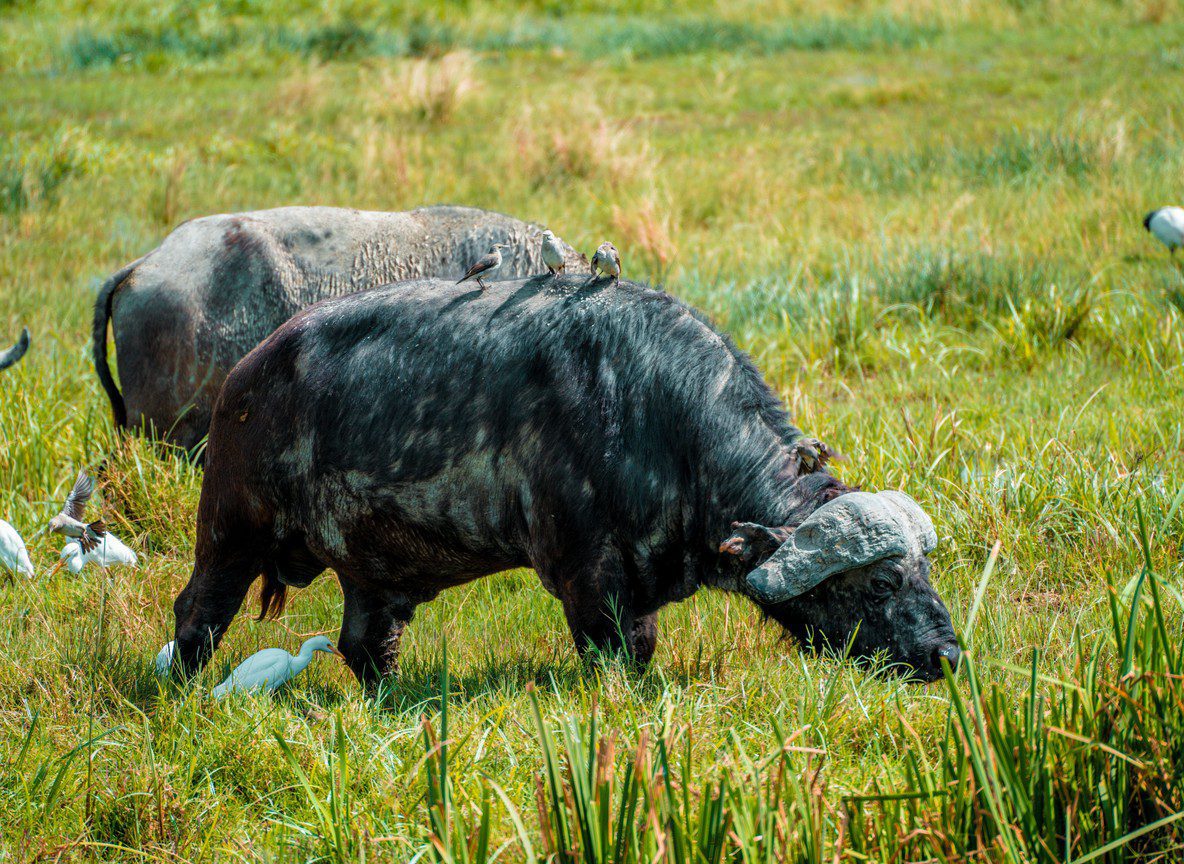
- Buffalo herds gather around the swamp margins
- Zebra and wildebeest roam the open plains in substantial numbers
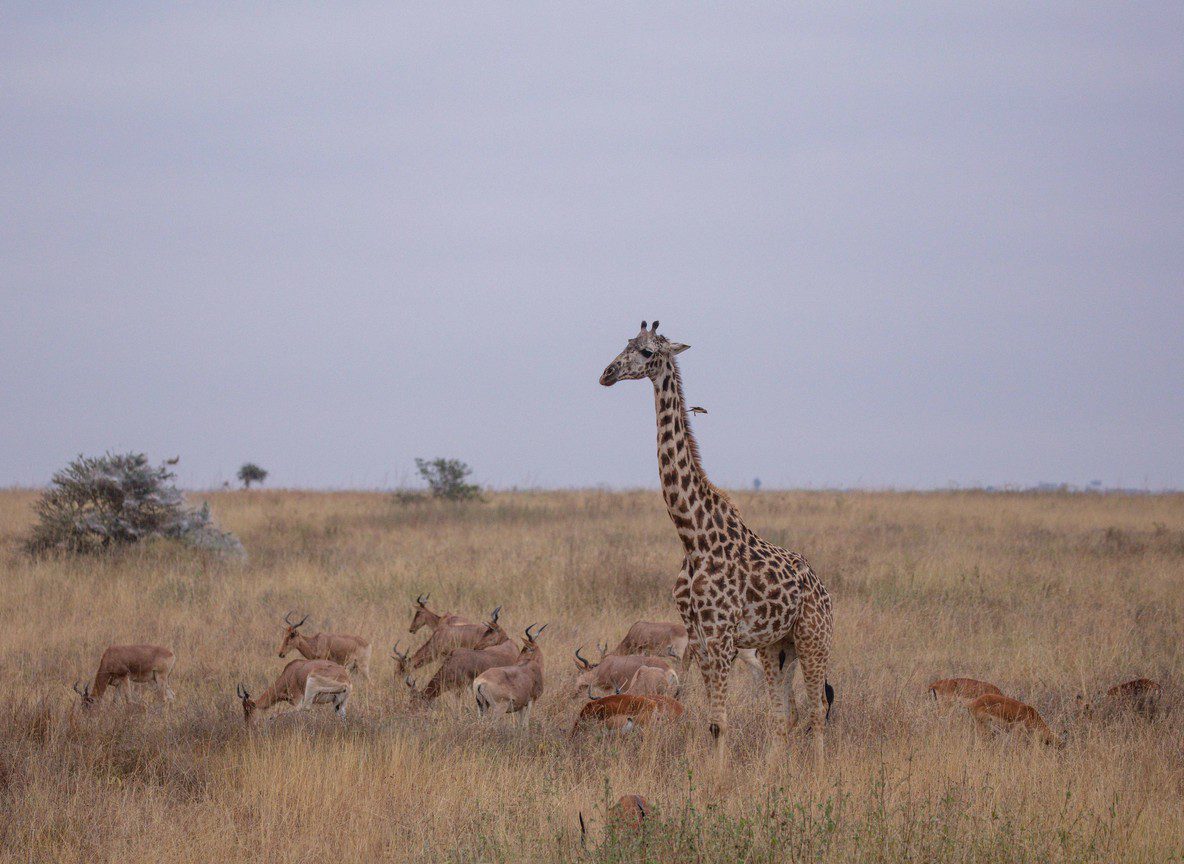
- Giraffe, impala, and gazelle fill in the medium-mammal picture
- Hippos are present in the deeper swamp channels
For first-time safari visitors, Amboseli functions as one of the most immediate and satisfying large-mammal parks in Kenya. Game drives here rarely produce a blank result — the concentration of wildlife around the permanent water is too consistent.
The Case for Amboseli as a Birding Destination
The birding case for Amboseli is less well-known but equally real. Kenya Wildlife Service designates the park as an Important Bird Area. The species list — over 425 recorded species — is substantial for a park of 392 square kilometres.
What drives the birding quality:
Permanent wetlands. Enkongo Narok and Longinye are East African Important Bird Area habitats in themselves. The combination of open water, dense papyrus fringing, and shallow wading zones supports a remarkable variety of waterbirds. Herons, egrets, storks, jacanas, cormorants, ducks, and waders are present throughout the year, with peak diversity during and after the rains.
Habitat diversity. The park’s transitions between wetland, open grassland, dry lakebed, and acacia woodland create several distinct birding habitats within short driving distance of each other. A single morning circuit can cover herons at the swamp, a secretary bird on the plains, a martial eagle perched on an acacia, and lilac-breasted rollers at the woodland edge.
Wetland accessibility. Unlike many East African wetlands that require specialist boats or difficult terrain access, Amboseli’s swamps are viewable from game drive tracks and their margins are easily approachable. This makes wetland birding here more practical than in most comparable destinations.
Migratory species. The November to April period brings Palearctic migrants through and into the ecosystem, adding species that are not present in the dry months. October to November is particularly dynamic as waders and other migrants arrive from the northern hemisphere.
Seasonal Comparison
| Factor | Dry Season (June-Oct, Jan-Feb) | Green Season (Nov-March) |
|---|---|---|
| Elephant visibility | Excellent | Good |
| Mammal concentration near water | Peak | Dispersed |
| Wetland bird diversity | Moderate-good (concentrated) | High |
| Migratory bird species | Absent or scarce | Strong (Nov-April) |
| Open plains raptors | Excellent visibility | Good |
| Overall birding species count | Lower | Higher |
| Safari access and comfort | Excellent | Variable |
| Best for mammal-first visitors | Yes | Moderate |
| Best for bird-first visitors | Moderate | Yes |
Who Amboseli Suits Best: Mammal vs Birding Focus
Mammal-first travellers get the most immediate payoff from Amboseli. The large-animal experience is efficient, reliable, and visually dramatic. Two nights in the park during the dry season is generally enough to produce strong elephant encounters, reasonable big-cat searches, and a full spectrum of large-mammal sightings. First-time safari visitors consistently describe Amboseli as one of the most satisfying elephant parks in East Africa.
Bird-first travellers need a slightly different approach to get the most from Amboseli. The richest birding period (November to April) does not align with peak mammal safari season. A bird-focused visitor should plan for at least three nights to cover the wetland zones at different times of day, to allow for repeat swamp circuits, and to absorb the variety across habitat transitions. A guide with specific birding knowledge makes a meaningful difference.
Mixed-interest travellers — arguably the most common type of wildlife visitor — often find Amboseli among the most satisfying parks in Kenya precisely because both interests are well-served. A couple where one person cares about elephants and the other about birds can structure drives that genuinely serve both. The park’s compact size and the accessibility of the swamps from game drive tracks means that birdwatching and mammal-watching happen in the same places rather than competing for drive time.
Guide Expertise Matters
The main practical constraint for birding-focused visitors to Amboseli is guide quality. Many Amboseli guides are trained primarily in large-mammal identification and tracking. Birding in Amboseli benefits from guides who can identify wetland species, recognise seasonal visitors, and adjust drive pace for smaller wildlife.
When booking an Amboseli safari with a significant birding component, ask explicitly about guide birding knowledge. Some lodges and camps have specific guides who specialise in bird interpretation, or can recommend local naturalists for birding walks.
The Honest Summary
Amboseli is an elephant park first. That will not change and should not change — the elephant experience here is among the best in Africa and the primary reason most visitors come.
But Amboseli is also one of Kenya’s more underrated birding destinations. The wetland systems, the habitat diversity, and the species list make it a genuinely rewarding park for birders who approach it on its own terms rather than as a second-tier substitute for more specialist birding destinations.
The strongest Amboseli safari for most travellers — particularly mixed-interest groups — combines mammal game drives with purposeful time at the swamp edges, a guide who can interpret both dimensions, and a stay long enough to experience the park in different light and at different times of day.
For more on Kenya’s birding opportunities, see the birding in Kenya safari guide and the Amboseli birds guide on Touring Insights.
If this guide has you ready to travel, a safari specialist can handle the route, camps, and logistics end to end.
Want to Book a Tour With Us?